Global media Update tech Update & Automobile Life Style & Entertainment

Patnaites............. the people of Patna
Patnaites............. the people of Patna

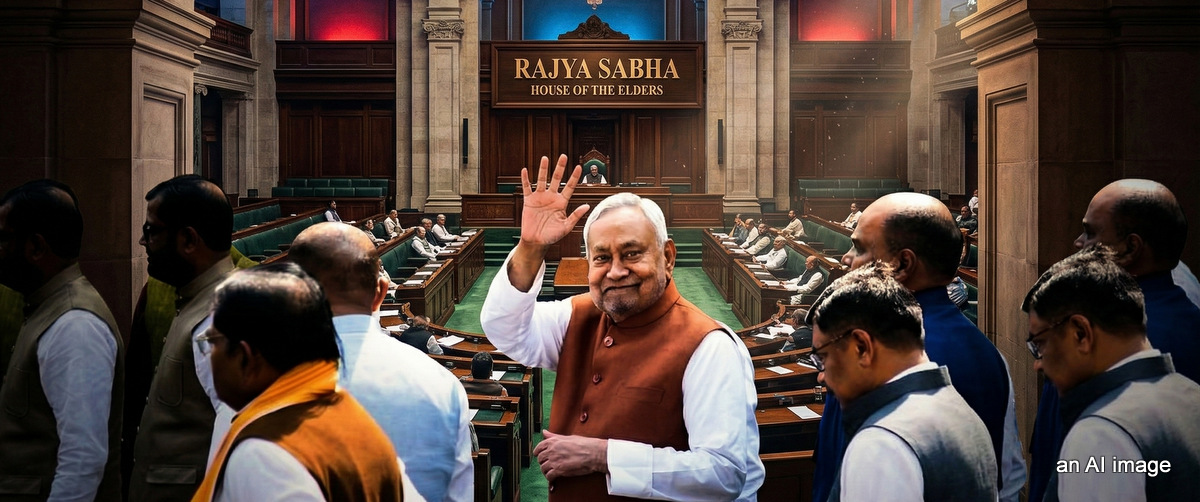
Patna — The sudden exit of veteran politician Nitish Kumar from the post of Bihar Chief Minister has once again stirred political debate across the state and the country. Known for his pragmatic politics and shifting alliances over the years, Kumar’s departure has raised questions about the circumstances that led to the decision and its implications for Bihar’s political landscape.
 Amazon: दुनिया का सबसे बड़ा ऑनलाइन शॉपिंग प्लेटफॉर्म, जहां आपको बेहतरीन डील्स और विश्वसनीय प्रोडक्ट्स मिलते
Nitish Kumar, one of the most prominent leaders of Bihar politics for nearly two decades, has served multiple terms as Chief Minister. As the leader of the Janata Dal (United), he played a central role in shaping the state’s governance since 2005, often positioning himself as a champion of development and social reform. His tenure saw initiatives in infrastructure development, prohibition, women’s empowerment, and improvements in law and order.
However, political pressures and shifting alliances have frequently influenced Kumar’s career. Over the years, he has alternated between alliances with the Bharatiya Janata Party and the Rashtriya Janata Dal, reflecting the complex dynamics of Bihar politics. These changes often occurred amid ideological differences, electoral strategies, and internal party considerations.
Several political observers suggest that the circumstances leading to his departure are linked to a combination of coalition pressures, governance challenges, and strategic political calculations. Bihar’s coalition politics has often required delicate balancing between partners with differing agendas. Maintaining stability within such alliances can be difficult, particularly when national political developments influence state-level equations.
Another factor frequently discussed is Kumar’s evolving role in national politics. In recent years, his name has occasionally been mentioned in discussions about opposition unity and leadership alternatives at the national level. Such developments have sometimes created speculation about whether he intends to step back from the state’s top executive role to focus on broader political objectives.
Administrative and governance challenges have also played a part in shaping the political climate. Bihar continues to face issues related to unemployment, infrastructure gaps, migration, and economic development. Opposition parties have repeatedly criticized the government over these matters, while supporters argue that structural challenges require long-term solutions rather than immediate political responses.
Within his own party as well, there have been ongoing discussions about leadership transition and the future direction of the organization. Political analysts believe that stepping aside could also be a strategic move to reorganize the party and prepare it for future elections while retaining influence behind the scenes.
Despite the controversy surrounding his exit, Nitish Kumar remains a significant figure in Bihar’s political landscape. His administrative experience and political networks ensure that he continues to wield considerable influence even outside the Chief Minister’s chair.
As Bihar moves forward, attention will now shift to the leadership that follows and the policies it chooses to prioritize. Whether Nitish Kumar’s departure marks a temporary political maneuver or a long-term shift in Bihar’s leadership remains to be seen, but it has undoubtedly opened a new chapter in the state’s evolving political narrative.

Auto Amazon Links: No products found.