Global media Update tech Update & Automobile Life Style & Entertainment

Patnaites............. the people of Patna
Patnaites............. the people of Patna

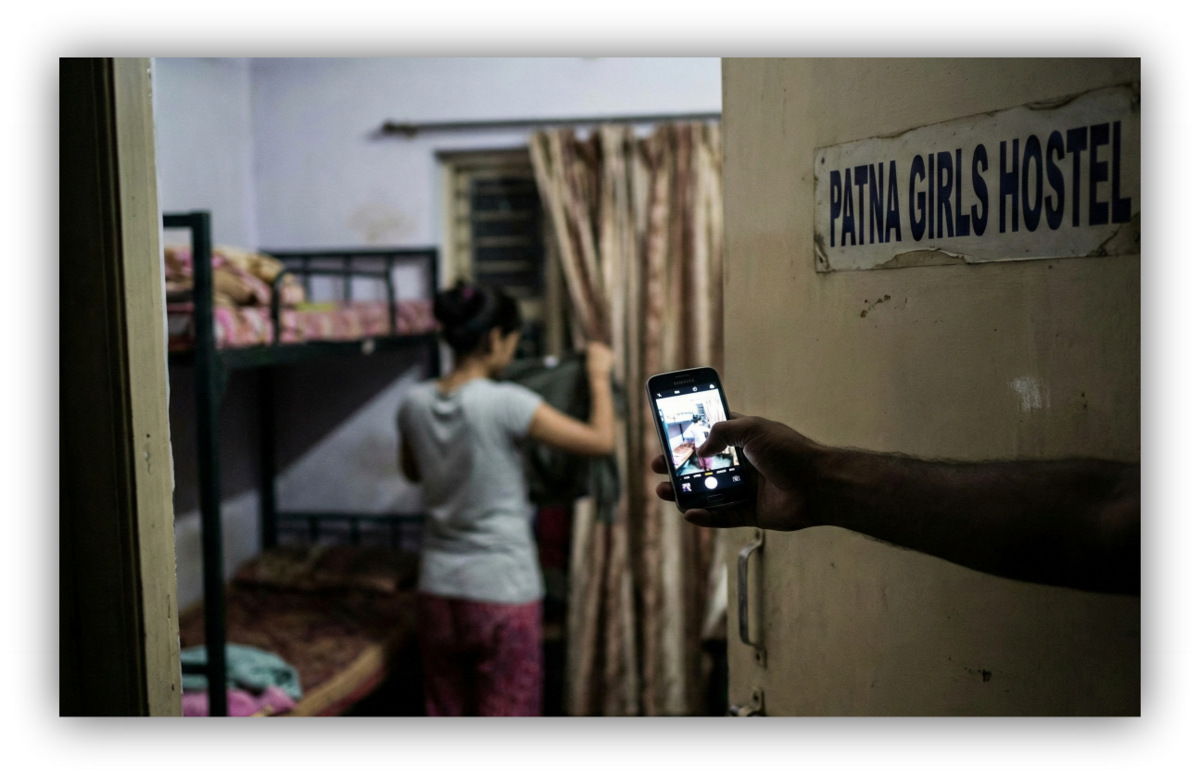
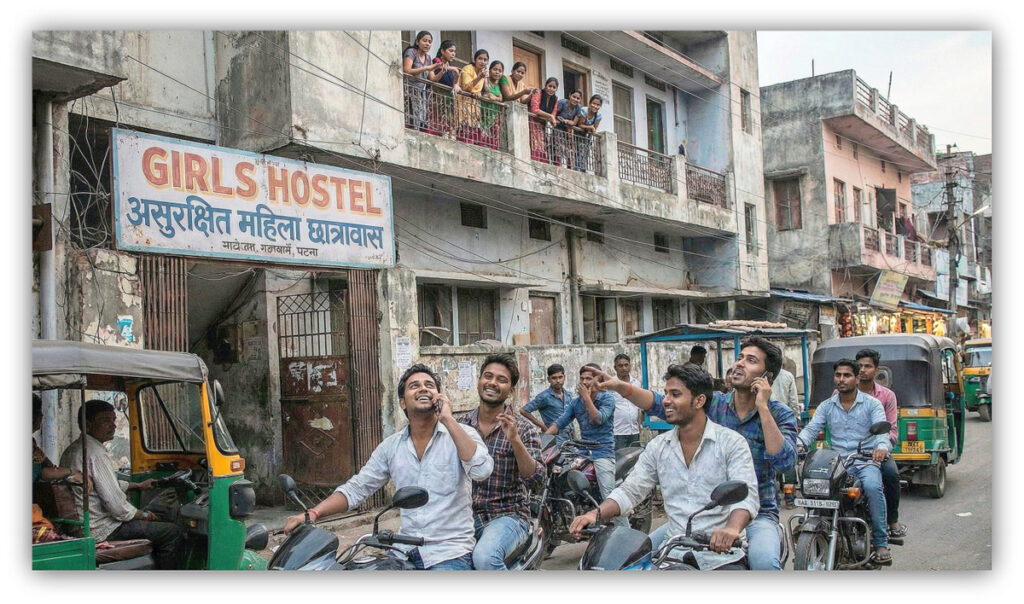
According to information available, the student had come to Patna to prepare for the NEET examination and was staying at Shambhu Girls’ Hostel. She was found dead under suspicious circumstances, triggering widespread concern and speculation. It is believed that several other students living in the hostel may be aware of important details related to the incident, but fear, pressure, and concerns about social stigma are preventing them from speaking out.
This is not an isolated case. In the past, similar incidents involving the deaths of female students have been reported from girls’ hostels in areas such as Machhua Toli and Khajanchi Road in Patna. Despite initial public outrage, the truth behind those cases never fully emerged. Families of the victims continue to wait for justice, while accountability remains unclear.
 Amazon: दुनिया का सबसे बड़ा ऑनलाइन शॉपिंग प्लेटफॉर्म, जहां आपको बेहतरीन डील्स और विश्वसनीय प्रोडक्ट्स मिलते
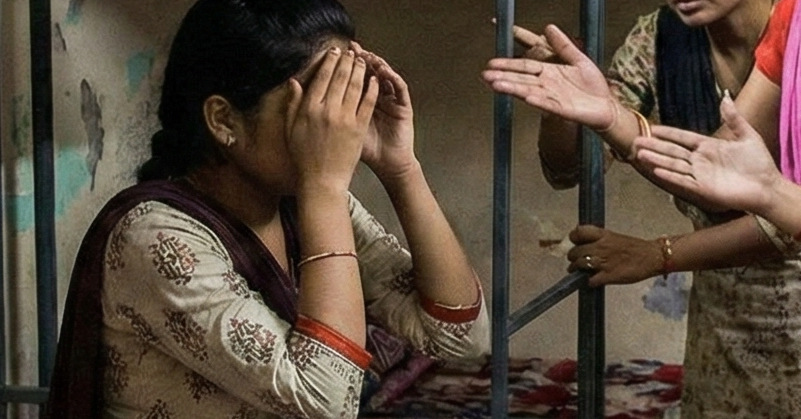
Social organisations and local sources allege that many girls’ hostels in Patna operate under political patronage and with the support of local mafias. Regular inspections, compliance with safety norms, and basic security measures are often ignored. There are also allegations that, in some cases, complaints are suppressed due to collusion between hostel authorities, local administration, and police stations, with serious incidents being hastily labelled as “suicides” or “accidents.”
One of the most alarming aspects highlighted by activists is the systematic silencing of students. When an incident occurs in a hostel, other girls are allegedly intimidated and pressured to remain quiet. Fear of defamation, damage to future prospects, and social stigma prevents victims and witnesses from coming forward. In many instances, even parents advise their daughters to stay silent in the name of “honour” and simply shift them to another hostel. This silence allows perpetrators to escape punishment and enables such crimes to be repeated.
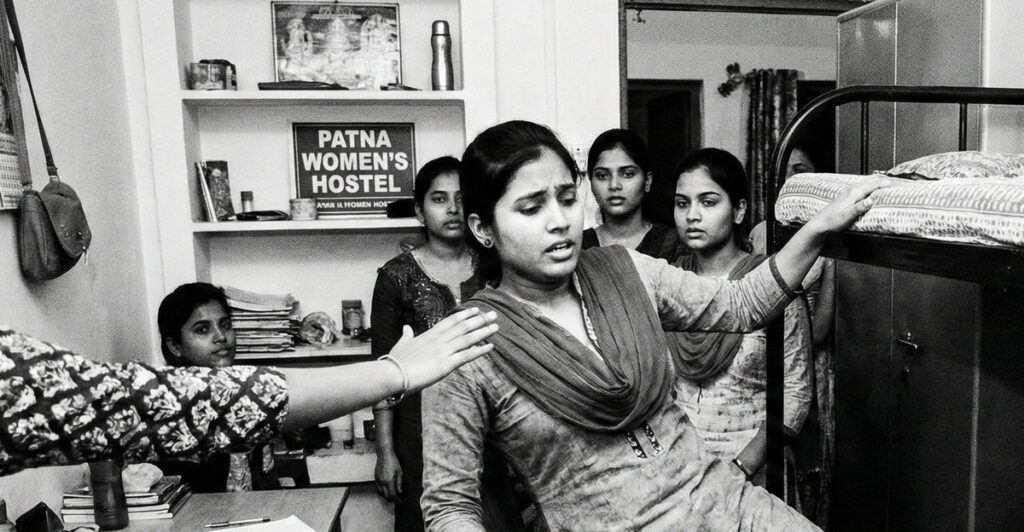
The death at Shambhu Girls’ Hostel has raised pressing questions: How safe are girls who come to Patna from different districts and states to pursue their education? Is the role of the administration limited to closing files rather than ensuring justice and prevention?
In the wake of the incident, student unions and civil society groups are demanding a fair and high-level investigation. They are also calling for strict enforcement of safety norms in girls’ hostels. Experts and activists have outlined key measures that must be made mandatory, including 24×7 security guards, CCTV cameras in common areas, biometric or register-based entry systems, proper lighting, fire safety arrangements, and clearly defined grievance redressal mechanisms. Regular police verification of hostel staff, periodic safety audits by district authorities, and emergency helpline displays within hostels are also being demanded.
Additionally, there is a strong call for creating a safe environment where students can report complaints without fear of retaliation. Confidential complaint systems, counselling support, and legal awareness programs for hostel residents are being seen as essential steps.

Ensuring justice for the Jehanabad student is now being viewed as a test of the system itself. Activists argue that breaking the culture of silence and enforcing strict safety standards in girls’ hostels is no longer optional but an urgent necessity to protect the lives and futures of thousands of young women studying .

Auto Amazon Links: No products found.