Global media Update tech Update & Automobile Life Style & Entertainment

Patnaites............. the people of Patna
Patnaites............. the people of Patna

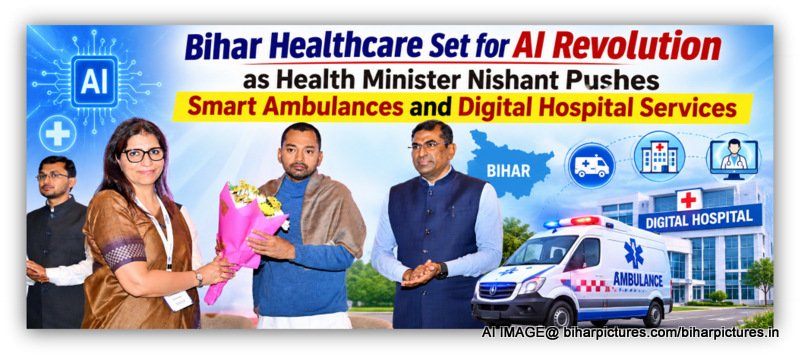
Patna: Bihar is preparing to bring major changes to its healthcare system with the use of Artificial Intelligence (AI). The state government plans to introduce technology-based solutions across hospitals and healthcare services, with a special focus on improving medical facilities in rural areas. From medicine supply and diagnostic tests to telemedicine, hospital bed management and emergency ambulance services, AI is expected to play an important role in making healthcare more accessible and efficient.

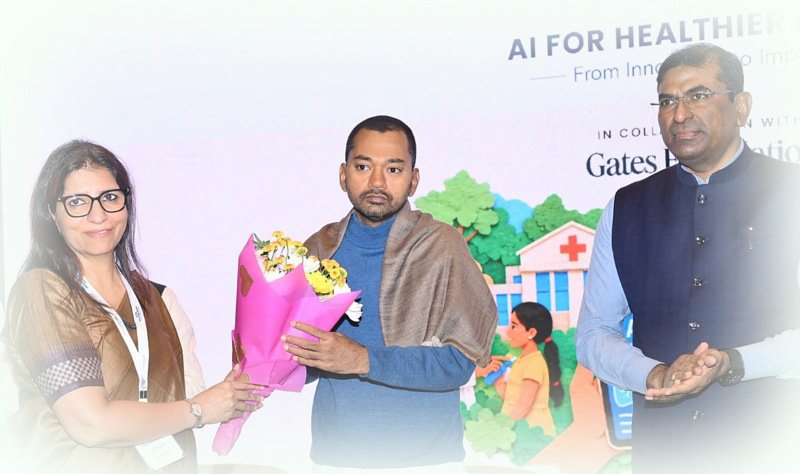
The initiative was discussed at a one-day workshop titled ‘AI for a Healthier Bihar: From Innovation to Impact’, organised by the Bihar Health Department in collaboration with the Gates Foundation at Hotel Taj City Centre in Patna. Health Minister Nishant shared the department’s priorities and explained how modern technology could improve healthcare delivery across the state.
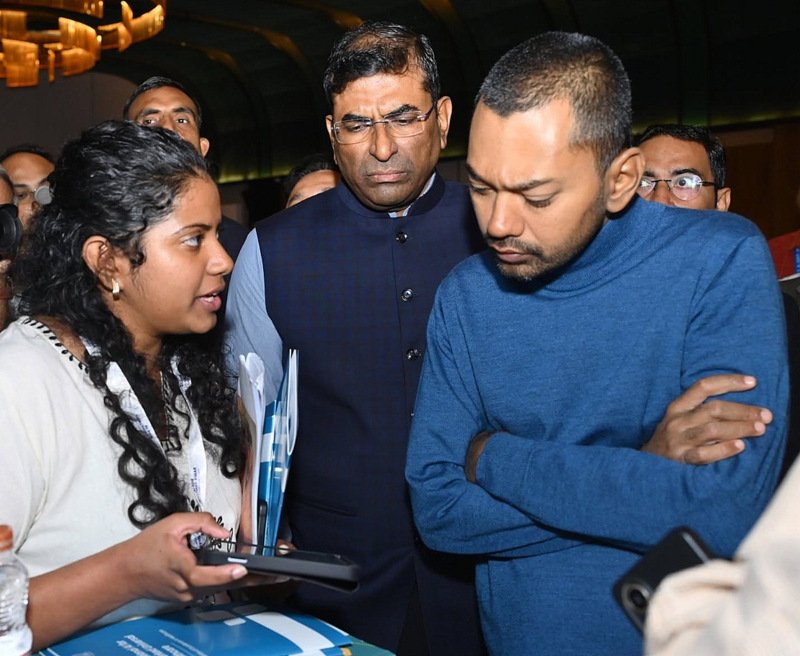
The minister said that constructing hospitals alone was not enough. The real priority was to ensure that people received better treatment through improved services and the effective use of technology. He particularly stressed that people from poor families and remote villages should have access to medical facilities similar to those available in urban areas.
AI to Improve Healthcare Services in Rural Bihar
Nishant said AI could help address several challenges facing the state’s healthcare system, including the shortage of doctors, limited access to specialists in rural areas and the need for better monitoring of government hospitals. He stressed the importance of using technology to ensure timely diagnosis, early detection of diseases and quicker treatment. The minister also highlighted the need for better monitoring of medicine supplies through AI-based systems. Such technology could help health authorities estimate future requirements, track available stocks and monitor the movement of medicines. He suggested using barcodes, QR codes, batch numbers and clinical data to check the authenticity of medicines and keep a closer watch on the supply chain. This would also help identify suspicious supplies and possible irregularities.
AI-Based Support for X-Ray, CT Scan and MRI Reports
The minister said AI should also be introduced in diagnostic services, including X-rays, CT scans, MRI and ultrasound examinations. He explained that AI-based tools could help identify possible signs of diseases in medical reports, particularly in areas where access to experienced specialists is limited. For instance, an X-ray taken at a rural health facility could be analysed with the help of AI to identify early signs of conditions such as tuberculosis and cancer. This would help doctors decide whether further tests or specialist consultations were required. Nishant also called for an audit of diagnostic equipment at medical colleges and district hospitals. The exercise would help assess which machines are available, whether they are being used properly and where improvements are needed.
Telemedicine to Bring Specialist Doctors Closer to Villages
The shortage of specialist doctors in rural areas was another important issue raised by the minister. He said many economically weaker families find it difficult to travel to bigger cities for treatment and consultations. AI-enabled telemedicine could help address this problem by connecting patients at nearby health centres with specialist doctors. This would reduce the need for unnecessary travel and expenses while allowing rural patients to receive medical advice at the right time.
Patients to Get Online Updates on Hospital Bed Availability
Nishant also emphasised the need for a digital system to track hospital bed availability. Under the proposed arrangement, information about vacant and occupied beds in general wards, ICUs, High Dependency Units (HDUs) and other critical care units should be available online. He said he had recently discussed the proposal with the Director of IGIMS and suggested developing a system that could provide real-time information about available beds. The details should be displayed within hospitals and made accessible online so that patients and their families can check the status through their mobile phones. Explaining the need for such a facility, the minister pointed out that patients referred from district hospitals to PMCH in Patna sometimes face difficulties after reaching the hospital because the required bed or specialist doctor may not be available. If information about beds, ICU facilities and specialist doctors is available before referral, hospitals can make better decisions about where to send critically ill patients. This would prevent unnecessary delays and help patients reach the appropriate medical facility without wasting valuable time.
Smart Ambulances Planned, 2–4 Vehicles to Be Used in Pilot Project
One of the key proposals discussed at the workshop was the introduction of smart ambulances in Bihar. Nishant Kumar said the Health Department was working towards bringing ambulances equipped with modern medical and digital facilities. The proposed ambulances would have digital ECG machines and systems to monitor pulse, blood pressure and oxygen levels. GPS-based live tracking, digital connectivity with hospitals, AI-assisted assessment of patients and video consultations with specialist doctors are also part of the plan. Another important feature would be the facility to send a patient’s medical details to the receiving hospital while the ambulance is still on its way. This would allow doctors to prepare for treatment before the patient reaches the hospital. The minister said he had discussed the proposal with the Director of IGIMS and technical experts. The department is planning to begin with a pilot project involving two to four smart ambulances. The initial experience would help assess how effectively these facilities can be used during road accidents and other medical emergencies.
AI to Help Ambulances Find Hospitals with Available Trauma Beds
The minister also highlighted the need to connect smart ambulances with trauma centres and super-speciality hospitals so that patients can be taken directly to facilities equipped to handle their medical conditions. He said ambulances responding to emergencies through helplines such as 102, 104, 112 and 1033 could collect important health information, including the patient’s blood pressure, oxygen saturation and pulse. If these details are connected to an AI-based system, it could help assess the patient’s condition and identify possible medical risks. The system could then provide information about nearby hospitals with available trauma beds, ICU facilities, CT scan and MRI services, along with the availability of relevant specialists. This would help ambulance teams select a suitable hospital instead of taking patients to a facility where the required treatment or infrastructure might not be available. The hospital’s emergency team could also receive the patient’s medical details in advance and make necessary preparations. Nishant said the ultimate objective was to ensure that patients receive timely medical attention and that hospitals are prepared even before an emergency case arrives. He emphasised that technology would be meaningful only when it improves the lives of ordinary people. The minister called upon all stakeholders to work together to make Bihar’s healthcare system more modern, accessible, transparent and responsive to people’s needs through the use of AI.
Bihar Health Secretary Kumar Ravi, Archana Vyas, Director of the Gates Foundation’s India office, other foundation representatives, technology and innovation experts from India and abroad, and officials of the Health Department attended the workshop. Doctors, nurses, technicians, Auxiliary Nurse Midwives (ANMs) and ASHA workers were also present.

Auto Amazon Links: No products found.