Global media Update tech Update & Automobile Life Style & Entertainment

Patnaites............. the people of Patna
Patnaites............. the people of Patna

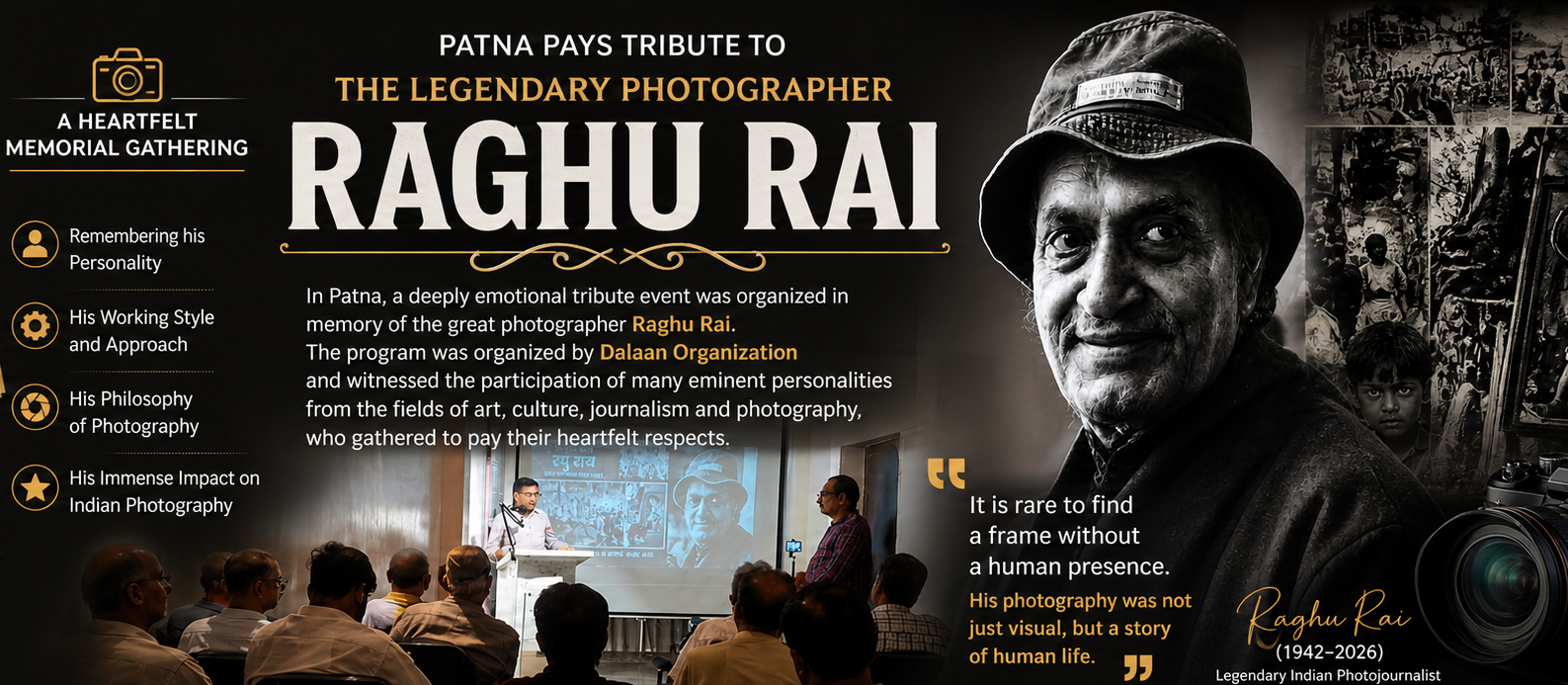
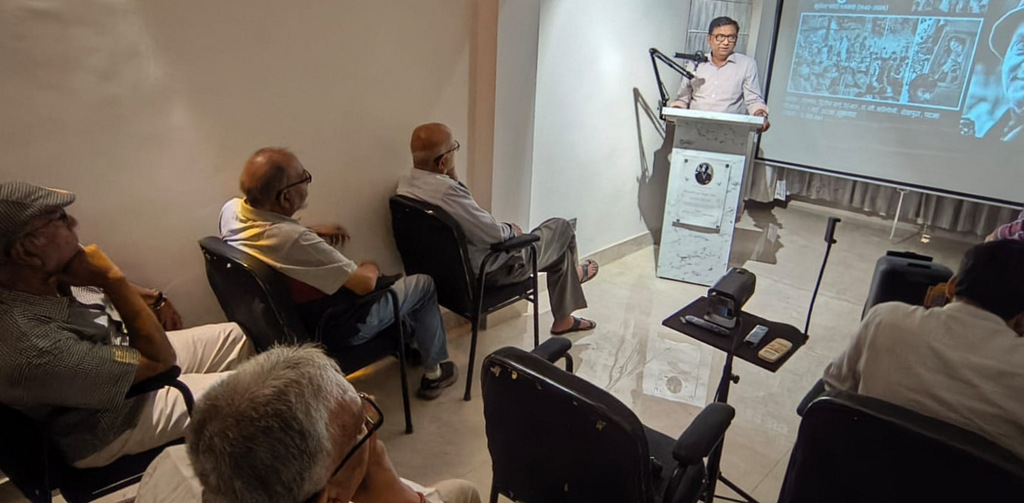
Patna: A heartfelt tribute meeting was organized in the state capital to remember the legendary Indian photographer Raghu Rai. The event, hosted by the Dalaan organization, saw participation from a wide spectrum of individuals जुड़े with art, culture, journalism, and photography, all of whom gathered to pay their respects. Speakers at the event reflected in detail on Raghu Rai’s personality, his working style, and his lasting impact on Indian photography.

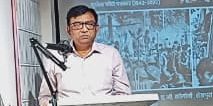
Vinay Kumar, IAS officer and Director of Bapu Tower, while addressing the gathering, said that “human beings” were always at the center of Raghu Rai’s photographs. He remarked, “It would be rare to find a frame without a human presence. His photography was not just about visuals—it told the story of human life.” He added that Rai’s passing has created a void in the world of Indian photography that will be extremely difficult to fill.
Sharing his personal experiences, Vinay Kumar described Raghu Rai as a person with a great sense of humor who had the unique ability to make even ordinary conversations engaging. He noted that Rai was always enthusiastic about working with new people and never made juniors feel inferior. This, he emphasized, was one of his most admirable human qualities.
He further mentioned that Raghu Rai had prepared an important coffee table book for the Bihar government titled “Bihar Past and Now.” The book was inaugurated by the then Chief Minister Nitish Kumar. Vinay Kumar pointed out that Rai ensured all those associated with the project were invited to the launch, reflecting his inclusive and collaborative nature. He also revealed that there were ongoing discussions with Rai about creating another coffee table book focusing on the contributions of Mahatma Gandhi in Bihar, but his untimely demise left the project incomplete.

Senior photographer B.K. Jain highlighted the technical aspects of Raghu Rai’s photography. He explained that Rai’s images prominently featured black-and-white tones. Rai preferred working with 400 ASA film and used the “push-pull” technique in the darkroom to achieve fine grain and depth in his images. Jain also shared personal anecdotes, recalling instances when he had the opportunity to work alongside Rai, including a memorable moment when Rai shared his tripod, which he described as a deeply encouraging experience.

Another senior photographer, Suman Srivastava, spoke about Rai’s approach to photography, noting that while many photographers get entangled in technical aspects such as shadows, ISO, shutter speed, and grain, Raghu Rai found a simple and effective path through these complexities. He emphasized that Rai demonstrated through his work that the most important element in photography is the human subject, with technique coming only afterward. This philosophy, he said, is what made Rai truly great and serves as a guiding roadmap for photographers.

Prashant Ravi, founder of the Dalaan organization and the event’s host, spoke about the institution’s ongoing efforts in promoting literature, cinema, journalism, and folk arts. He mentioned that the organization decided to hold a tribute event on the very day of Rai’s passing, April 26, and that the program had now been successfully आयोजित.
The event began with attendees offering floral tributes to Raghu Rai’s portrait. A documentary on his life and work was also screened, which was watched with deep emotion by the audience.
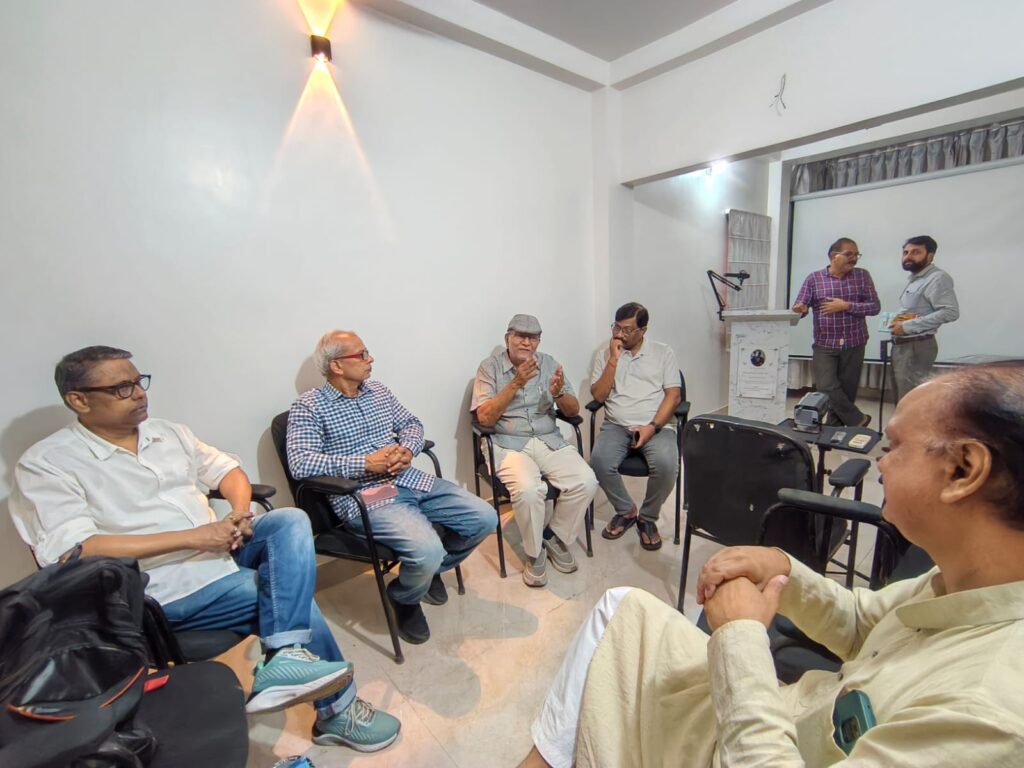
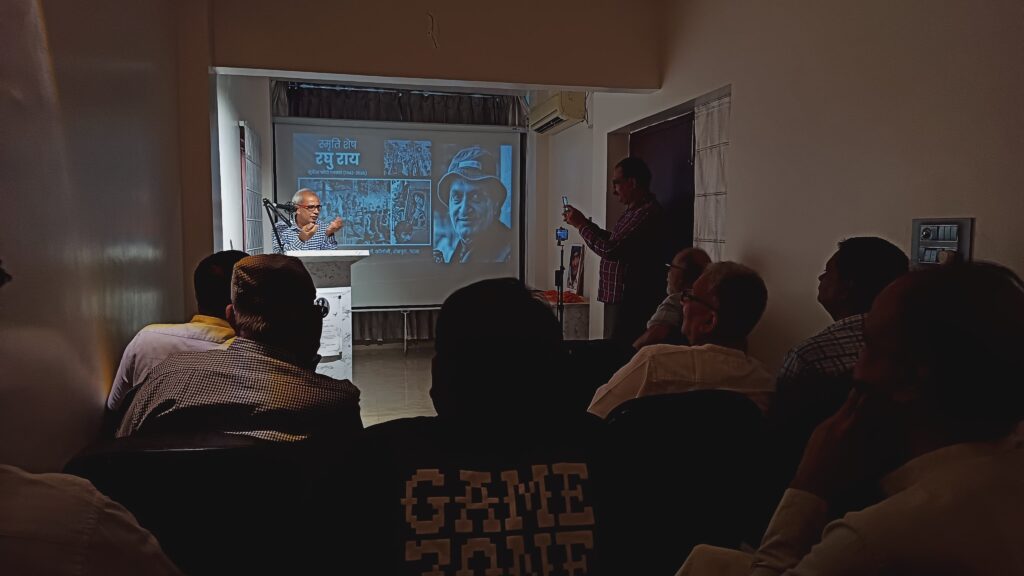
The gathering was attended by several notable figures, including Dr. Ajay Kumar Singh, Assistant Director of the Department of Art and Culture; noted film analyst Prof. Jai Dev; filmmaker Prashant Ranjan; senior journalists Amarnath Tiwari, Pramod Kumar Singh, and Sanjeev Kumar; photographers Pramod Jain, Manish Sinha, Manish Kumar, and Ravi Sahni; as well as writer Utpal Kumar. A large number of photographers, cinematographers, journalists, writers, and art enthusiasts from the city were also present.
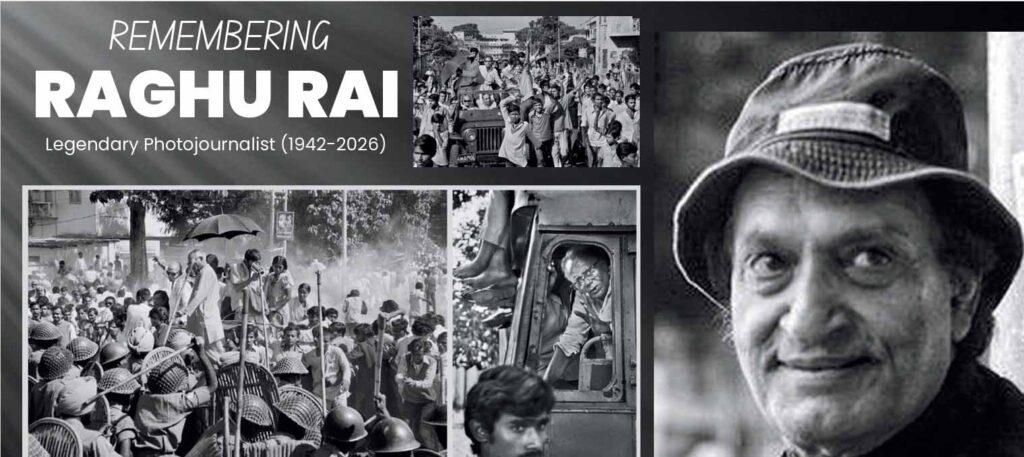
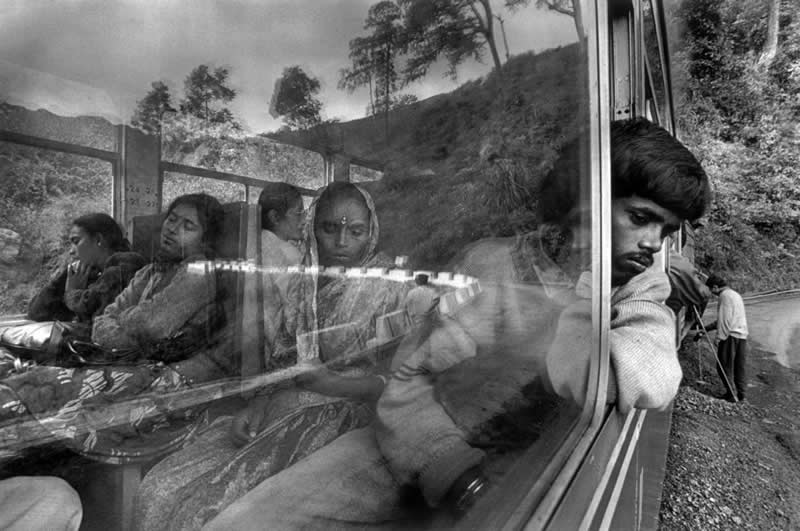
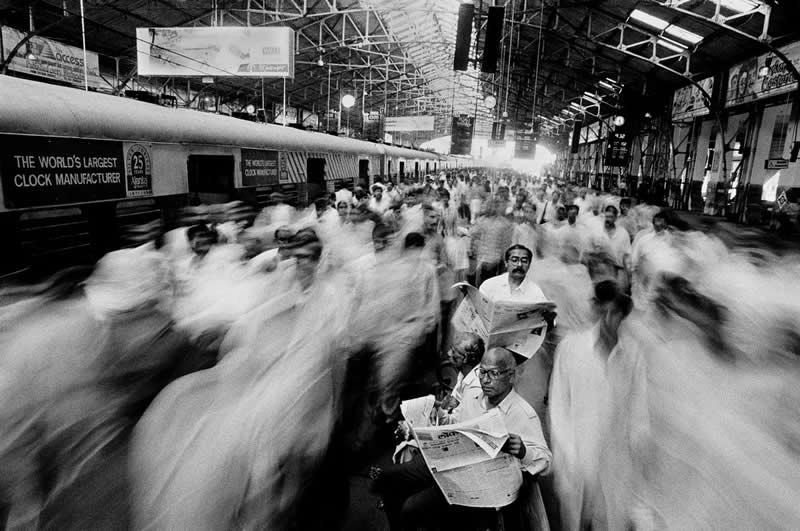
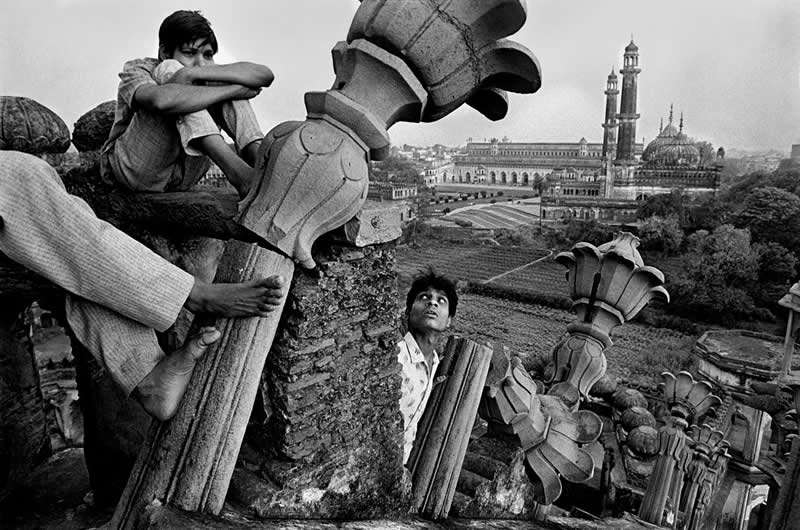
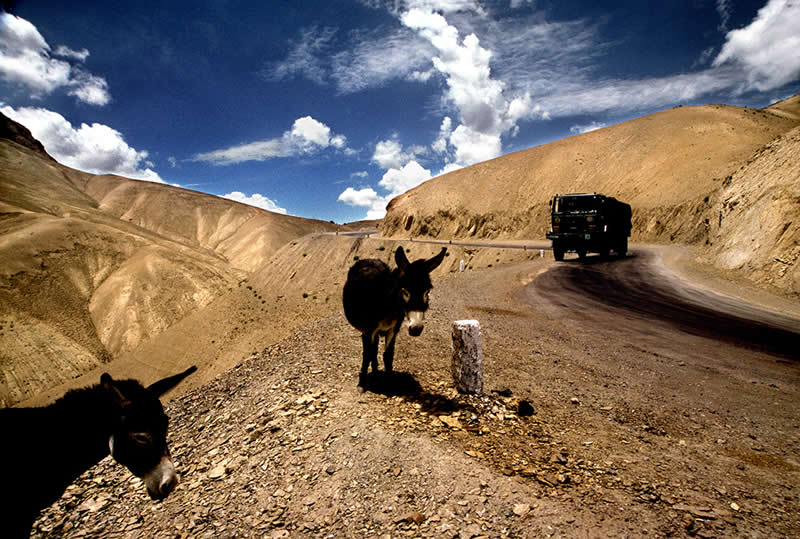
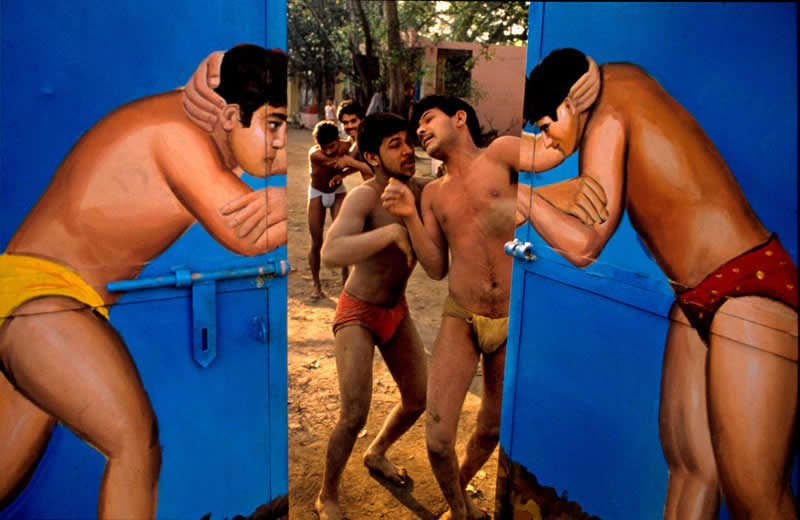
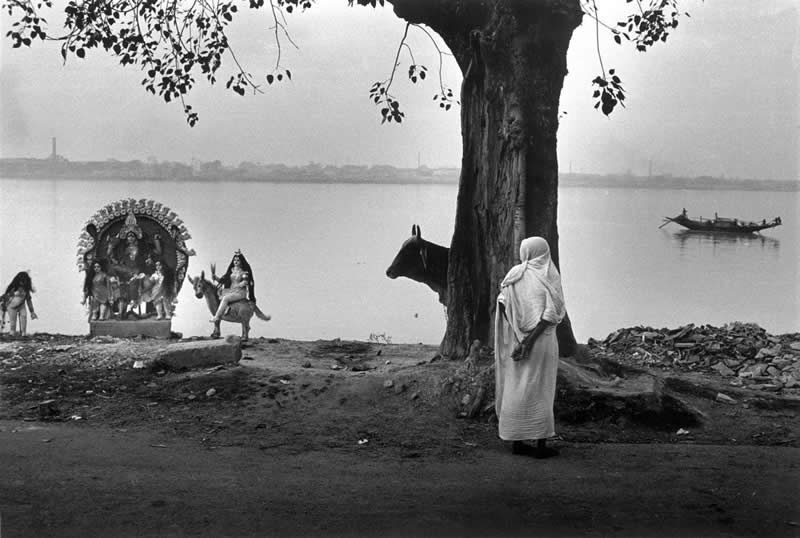
In conclusion, all speakers unanimously agreed that Raghu Rai’s contribution to Indian photography will remain immortal. His photographs are not just examples of visual excellence but also living documents of society, culture, and human emotions. The path he showed will continue to inspire generations to come.

Auto Amazon Links: No products found.